All You Required to Find Out About Robotic Vision and Its Applications in Advanced Optical Dimension Solutions
Robotic vision stands for a considerable advancement in the junction of computer vision, man-made intelligence, and maker knowing. This technology improves the accuracy of optical dimension systems, allowing real-time data analysis and improved top quality control. Its effect spans multiple fields, from making to healthcare. However, the developing landscape of robot vision elevates inquiries regarding future abilities and applications (robotic vision). What advancements lie in advance in this transformative field?
Understanding Robotic Vision: Trick Concepts and Technologies
Robotic vision incorporates the modern technologies and methodologies that allow devices to analyze and comprehend aesthetic info from their atmosphere. This field incorporates aspects of computer vision, artificial knowledge, and equipment learning to facilitate computerized decision-making based on aesthetic data. Trick concepts consist of image handling, which includes the improvement and evaluation of photos to draw out meaningful functions, and item recognition, which enables makers to recognize and identify things within a scene.
The Assimilation of Robotic Vision With Optical Dimension Solutions
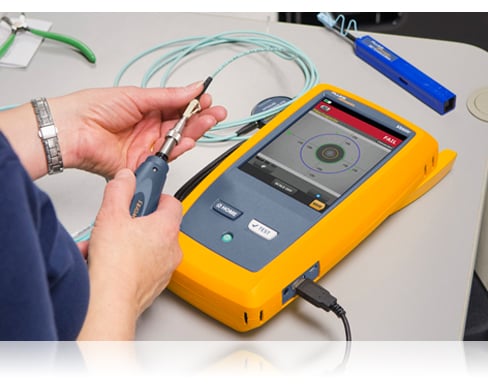
As markets significantly demand precision and performance, the assimilation of robotic vision with optical measurement systems has arised as a transformative method. This harmony allows robots to regard and interpret their environments, boosting the capability of optical dimension systems to analyze and examine items with unmatched precision. By equipping optical sensors with advanced imaging modern technologies, robot vision enables real-time information collection and processing, helping with immediate changes to measurement criteria.
The mix equips automated systems to detect variations in measurements, surface high quality, and positioning, which are crucial in top quality control processes. Enhanced formulas, such as equipment understanding, additional augment this integration by enhancing the systems' capability to adjust to various environments and situations. The integration not only improves dimension procedures but also lessens mistakes, making sure that items meet rigorous sector standards, thus solidifying the role of robot vision in the future of optical dimension systems.
Applications of Robotic Vision in Manufacturing
In contemporary manufacturing atmospheres, the usage of vision systems has actually changed production processes by allowing makers to do jobs with impressive precision and rate. Robotic vision systems are progressively utilized for high quality control, where they inspect items for issues and assurance adherence to specifications. These systems use video cameras and progressed algorithms to evaluate items in real-time, significantly reducing the danger of human mistake.
Additionally, robot vision facilitates automation in production line, enabling robots to accurately recognize parts and assemble them with minimal downtime. This modern technology also improves stock monitoring, as vision systems can check stock degrees and spot discrepancies, assuring a smooth supply chain.
In addition, have a peek here robot vision help in the implementation of wise factories, where information from vision systems can be incorporated with other technologies to maximize process. On the whole, the applications of robotic vision in manufacturing show its crucial role in improving performance, high quality, and productivity throughout numerous fields
Robotic Vision in Medical Care: Revolutionizing Individual Care
In recovery, robotic vision help in keeping an eye on patient development and tailoring therapy sessions to individual demands. It supports doctor by automating tasks such as information collection and individual tracking, permitting for more time to focus on direct person communication. Additionally, robotic vision enhances telemedicine by enabling remote medical diagnosis and digital examinations, connecting the gap between additional reading people and health care carriers. Generally, the application of robot vision in healthcare is changing patient care, causing boosted end results, efficiency, and patient satisfaction.
Future Fads and Developments in Robotic Vision Modern Technology
The fast advancement of robotic vision innovation promises to further improve its applications across various fields, including medical care. Future fads show a significant shift towards integrating expert system and artificial intelligence, enabling systems to gain from large datasets and enhance precision with time. Enhanced sensor modern technologies and deep knowing formulas are anticipated to refine item acknowledgment capabilities, enabling robots to translate complex environments better.

Furthermore, the combination of augmented reality (AR) with robot vision will likely reinvent just how robots assist in surgeries and diagnostics. This harmony will promote real-time information visualization, boosting decision-making processes. Furthermore, miniaturization of elements will result in even more compact and flexible robot vision systems appropriate for a range of jobs. As these developments unfold, industries will certainly witness increased automation and efficiency, solidifying robotic vision as a cornerstone of cutting-edge technological remedies.
Often Asked Inquiries
What Are the Main Parts of a Robot Vision System?
The main components of a robot vision system consist of electronic cameras for photo capture, cpus for data evaluation, formulas for interpretation, and actuators for activity. Together, these aspects make it possible for robotics to regard and engage with their atmosphere successfully.
Exactly How Does Robotic Vision Improve Accuracy in Measurements?
Robotic vision boosts dimension precision by making click for info use of sophisticated imaging modern technologies, allowing exact things discovery and spatial evaluation. This capability minimizes human error, increases repeatability, and permits real-time modifications, eventually improving general measurement integrity and performance.
What Industries Advantage The Majority Of From Robotic Vision Technology?
Various markets benefit greatly from robotic vision modern technology, including production, medical care, agriculture, and logistics. These industries utilize enhanced accuracy, performance, and automation, leading to improved productivity and minimized operational costs in their corresponding procedures.
Can Robotic Vision Equipments Job in Low-Light Issues?
Robotic vision systems can undoubtedly operate in low-light conditions, using advanced sensors and algorithms to improve photo quality. This capability enables them to execute efficiently in numerous atmospheres, consisting of industrial and monitoring applications, despite very little illumination.
What Are the Expenses Connected With Applying Robotic Vision?
The costs linked with executing robotic vision vary significantly, influenced by elements such as cameras, software application, and combination. Extra expenses include maintenance, training personnel, and prospective upgrades to existing systems, which can collect gradually.
Comments on “Essential challenges optical measurement system can solve in production lines”